
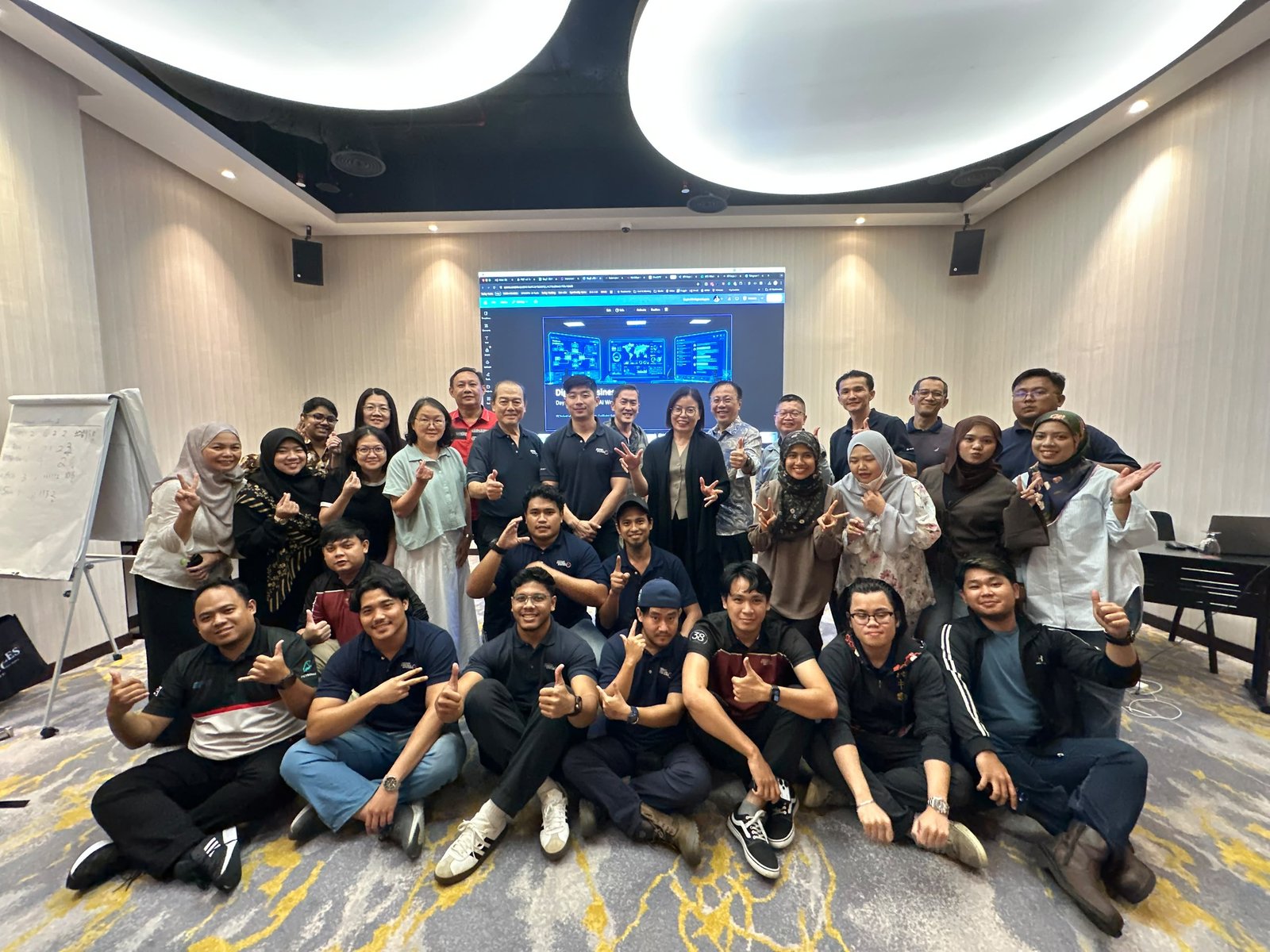
In short: A conversation at an AI for Business Model Innovation programme turned into a phased AI transformation for a whole organisation. We started with generative AI for every staff member, built a shared knowledge base, connected it to AI through retrieval, redesigned key processes, and then developed a group of AI champions through the Claude AI for Business 3-Level Pathway. Here is how each step worked and why the order matters.
Quick Answer
The most reliable way to roll out AI across an organisation is in sequence: literacy for everyone, then shared knowledge, then AI connected to that knowledge, then process redesign, then champions who sustain it. Skipping to automation before people and knowledge are ready is the most common reason AI projects stall.
Some of the most useful projects I’ve worked on started with a single question from a leader in the room.
At an AI for Business Model Innovation programme, I met Mr Lim Cheng Jeen. The programme covered how AI changes the way a business creates and delivers value, well beyond helping people write faster emails. Mr Lim’s question afterwards was a practical one: how do we take this beyond one training day and make it part of how the whole organisation works?
That question shaped everything that followed. We did not start with a tool or a chatbot. We started with a rollout plan.
The rollout at a glance
Each step builds on the one before it. The table below shows who was involved at each stage and what the business gained.
| Step | Who | Focus | Business outcome |
|---|---|---|---|
| 1. GenAI literacy | All staff | Responsible use, prompting | A shared language and safe everyday use |
| 2. Knowledge base | Department leads | NotebookLM on company documents | Answers grounded in the company’s own SOPs and policies |
| 3. Retrieval and build | Selected teams | ChatGPT, Codex, RAG | AI that looks up company knowledge, plus simple working tools |
| 4. Process redesign | Process owners with leadership | Rethinking priority workflows | Processes built around AI, not AI added onto old steps |
| 5. AI champions | Selected champions | Claude 3-Level Pathway | Internal capability that keeps the work moving |
Step 1: Generative AI for all staff
FoundationThe first phase was for everyone, from frontline staff to managers. We covered what generative AI is, where it makes mistakes, and the ground rules for using it at work: keep confidential data protected, check every output, and keep a person accountable for the result.
Then we focused on prompting. Staff practised giving AI proper context, a clear role, a specific instruction and the format they wanted, and applied it to their own daily tasks.
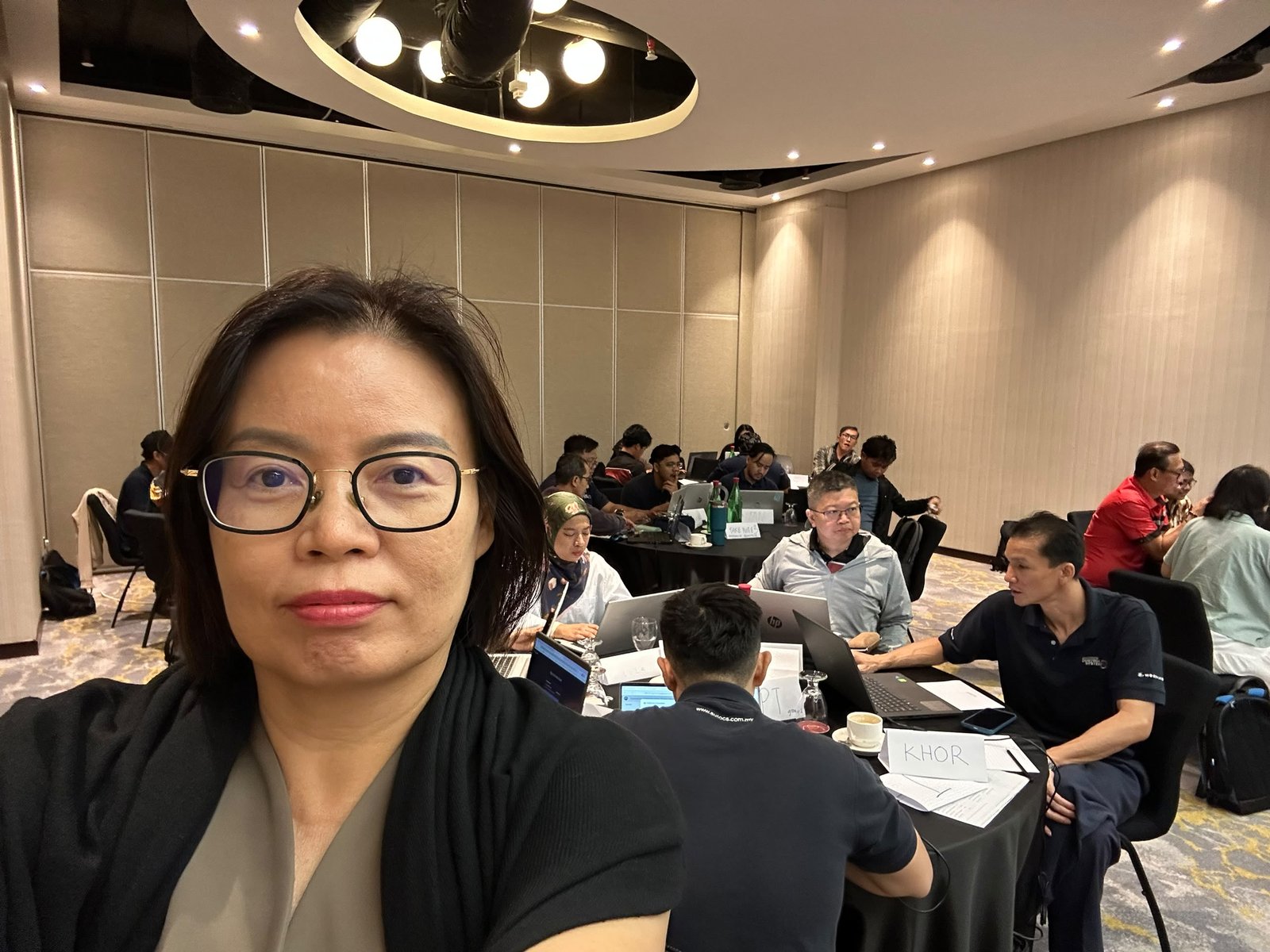
This step is easy to underestimate. When the whole organisation shares the same basic skills and rules, later phases move faster because nobody is starting from zero.
Step 2: A NotebookLM knowledge base
KnowledgeMost organisations hold their know-how in scattered places: SOP files, policy documents, product guides, training slides and inboxes. Before AI can help with the company’s own work, that knowledge has to be gathered and organised.
We used NotebookLM as the first knowledge base. Teams loaded their key documents and could ask questions answered from those sources, with references back to the original text. It gave staff a quick, low-risk way to see what AI can do with company knowledge, and it showed leadership where documents were missing or out of date.
A side benefit: building the knowledge base forced a useful clean-up. Gaps and conflicting versions of the same SOP surfaced quickly once people started asking questions.
Step 3: ChatGPT, Codex and RAG
RetrievalOnce the knowledge was organised, the next step was to connect it to AI in a more structured way. This is where retrieval-augmented generation (RAG) comes in. In plain terms, the AI looks up the company’s own documents before it answers, so responses are specific to the business and can be checked against the source.
We worked with ChatGPT for the knowledge-grounded assistant side and Codex for building small working tools and automations around it. Teams did not need to become programmers. They needed to describe the job clearly, and the prompting skills from Step 1 made that possible.
Building AI capability in your organisation?
The Claude AI for Business 3-Level Training Pathway takes teams from foundations to applied work to agentic AI workflows, step by step.
Explore the 3-Level PathwayStep 4: Process redesign
RedesignThis is the step where AI turns into business model innovation. With skilled staff, organised knowledge and a working retrieval setup in place, we looked at priority processes and asked a different question. Instead of “where can we add AI to this process?”, we asked “if we were designing this process today, with AI available, what would it look like?”
That question often removes steps entirely, changes who does what, or moves a task from days to minutes. It also keeps the focus on outcomes the business cares about: service quality, turnaround time, cost and capacity.
The principle: rethink the process before you automate it. Automating a broken process only makes the problems happen faster.
Step 5: AI champions and the Claude 3-Level Pathway
ChampionsTraining everyone gets the organisation started. Keeping the work going needs people inside the business who can lead it. So the final phase selected a group of AI champions from across departments for deeper development through the Claude AI for Business 3-Level Training Pathway:
- Level 1, Foundations: working confidently with Claude for analysis, writing and structured thinking.
- Level 2, Application: applying Claude to real departmental workflows and building repeatable ways of working.
- Level 3, Agentic AI Workflows: designing multi-step AI workflows that handle larger pieces of work with human review built in.
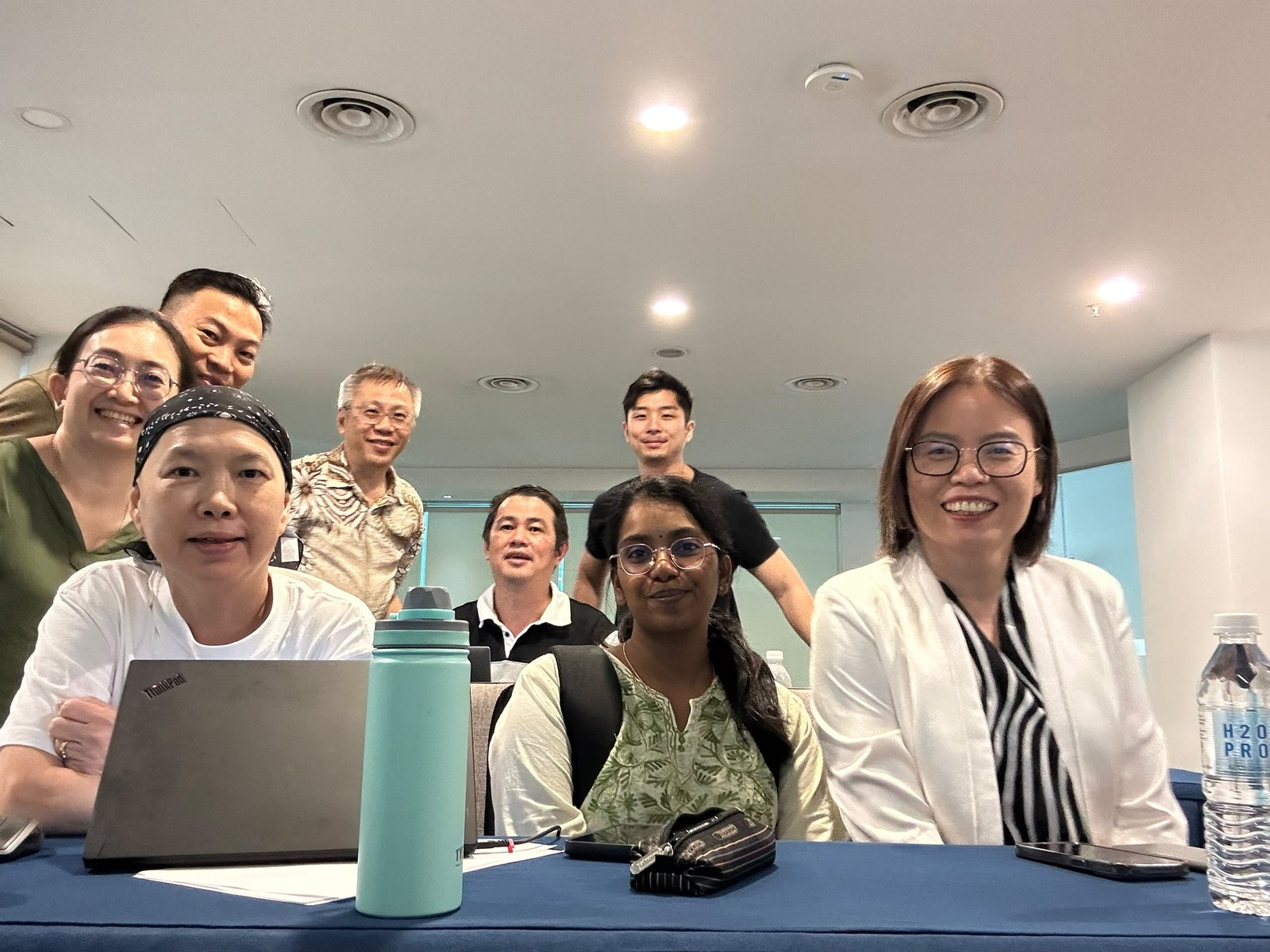
Champions become the bridge between leadership and teams. They spot new use cases, support colleagues, and bring practical evidence to decisions about which process to redesign next.
What leaders can take from this
Start with a rollout plan, not a tool
The tools in this project will change. The sequence of people, then knowledge, then retrieval, then redesign, then champions will still hold.
Invest in everyone, then go deep with a few
Company-wide literacy prevents a gap between “AI people” and everyone else. A smaller champion group then gives you depth without training the whole organisation to an advanced level.
Treat your knowledge as an asset
AI is only as useful as the information it can draw on. Organising company knowledge pays off well beyond AI.
Leadership sponsorship sets the pace
This rollout moved because a leader asked the right question and backed the answer. AI transformation is a leadership decision before it is a technology project.
A question for your leadership team: which step of this rollout is your organisation at today, and what would it take to move to the next one?
Frequently Asked Questions
How should an organisation roll out AI transformation?
Roll it out in phases. Start with generative AI literacy and prompting for all staff, then build a shared knowledge base, connect that knowledge to AI through retrieval, redesign priority processes, and finally develop a group of AI champions who carry the work forward.
Why train all staff before automating processes?
Automation only works when people understand what AI can and cannot do. Company-wide literacy builds a shared language, reduces fear and misuse, and surfaces the process problems worth automating.
What is a NotebookLM knowledge base used for?
NotebookLM lets teams load their own documents, such as SOPs, policies and product guides, and ask questions grounded in those sources. It is a practical first step towards a company knowledge base before moving to a fuller retrieval (RAG) setup.
What is RAG in simple business terms?
RAG, or retrieval-augmented generation, means the AI looks up your company’s own documents before answering. Answers become specific to your business and easier to check against the source.
What does an AI champion do?
AI champions are selected staff who receive deeper training, lead use cases in their departments, support colleagues, and help leadership decide which processes to redesign next. They turn one-off training into lasting capability.
Ready to plan your organisation’s AI rollout?
Whether you are starting with company-wide literacy or ready to develop AI champions, let’s map the right next step for your team.
Explore the 3-Level PathwayTalk to Jane